
Relaxer Service Smooth Sleek Results and Lasting Care
Key Takeaways About Relaxer Service
This article explains professional chemical straightening and how it changes hair structure. It is for homeowners and clients deciding on a salon treatment or aftercare plan when results and safety matter.
- Identify hair porosity elasticity and previous chemical history before treatment.
- Prevent scalp irritation by checking for cuts sores or sensitivity first.
- Avoid overlapping applications to reduce cumulative damage and breakage risk.
- Spot signs of overprocessing such as limp texture mushy strands or snapping.
- Reduce damage with balanced protein and moisture treatments after service.
- Plan follow up appointments for trims treatments and diagnostic checks.
Introduction
Choosing a professional relaxer service starts with understanding why you want straighter hair and what risks come with chemical alteration. Some clients seek smoother styling and less daily heat damage while others need to manage tight curl patterns that cause breakage. The right approach affects hair strength, scalp health, and how long results last. For homeowners in Grapevine, TX, knowing what to expect can prevent surprises after an appointment.
Relaxing can thin fragile ends or irritate a sensitive scalp when applied improperly, so safety matters as much as the final look. A trained stylist will assess hair porosity, elasticity, and previous chemical history before deciding on a formula. Professionals also choose neutralizing steps and timing to reduce overprocessing. These choices determine whether hair stays strong or becomes brittle over time.
After relaxer services, aftercare plays a key role in how long smooth results last and how well the hair recovers from chemical exposure. Factors like humidity and water quality can affect texture, making proper conditioning and gentle detangling essential. Regular, well-timed trims help maintain shape and reduce the spread of split ends. Scalp care is equally important, as irritation can slow healthy regrowth and limit styling options after relaxer services.
Clients in Southlake, TX often ask about routines that protect their hair between relaxer services and support consistent results. Choosing relaxer services requires careful consideration of hair history, desired outcomes, and willingness to maintain proper care. A professional evaluation uses visible signs and simple tests to determine if the hair is suitable before any chemical application begins. If concerns such as scalp sensitivity or previous damage arise, the stylist may suggest alternatives or gradual treatments to ensure safer, longer-lasting results from relaxer services.

What A Relaxer Service Does To Hair Structure
A relaxer service chemically alters hair bonds to loosen tight curls and create a straighter strand structure. The chemicals lift or break some disulfide bonds inside the hair shaft so the fiber can be reshaped. Visible changes include smoother appearance, reduced springiness, and easier comb-through when wet. Homeowners often ask if relaxed hair will feel weaker immediately, and yes, it can feel softer but more fragile right after treatment.
- Disulfide bond reduction allows reshaping of curl pattern.
- Cortex changes cause hair to lie flatter and reflect light differently.
- Cuticle lifting during processing makes hair more porous.
- Neutralization restores some internal chemistry but not all original strength.
Professionals diagnose hair readiness by checking porosity and elasticity before applying chemicals. They perform a strand test and stretch test to see how much tension hair tolerates without breaking. A stylist will also inspect previous color or perm history which affects processing time and strength. These checks help choose a formula that minimizes overprocessing and breakage risk in Grapevine, TX homes.
Processing time directly affects how much internal alteration occurs, so timing controls results and damage. Overprocessing shows as limp, mushy texture and breakage at the shaft or ends. After neutralization, a stylist looks for uniform texture and conducts a gentle tensile check on sample strands. If problems appear, a staged approach or restorative services from the salon services page may be recommended.
Understanding what changes occur helps homeowners pick the right follow-up care and monitoring routine. Expect increased porosity and a need for protein-moisture balance to maintain strength and shine. Regular trims remove weakened ends that do not regain structure after chemical alteration. If severe irritation or sudden breakage appears, contact a professional immediately for an in-person diagnosis and plan.
Common Types Of Professional Relaxer Services
Relaxer services include a range of professional straightening options, from traditional lye and no-lye formulations to gentler, cream-based relaxers designed for different curl patterns. A stylist selects the most suitable formula based on hair texture, strength, and any prior chemical treatments to prevent excessive weakening. Clients with coarse, resistant curls often require stronger formulations, along with precise timing during application. For homeowners in Grapevine, TX, discussing past treatments with a stylist helps ensure the safest and most effective relaxer services choice.
Cream and sodium hydroxide relaxers work quickly on very tight coils but require strict neutralization and scalp protection. Guanidine carbonate (no-lye) relaxers suit those with sensitive scalps but can leave mineral buildup when water is hard. Thio-based relaxers act slower and allow more control over straightening degree, which reduces the chance of sudden overprocessing. Your stylist will explain expected texture differences after each type of chemical.
There are also structural alternatives like thermal reconditioning and keratin smoothing that provide straighter appearance without the same bond-breaking chemistry. These methods rely on heat application, protein infusion, or formaldehyde-containing formulations and demand specific aftercare to avoid damage. A professional will compare outcomes, timing, and maintenance needs so you can weigh trade-offs. If you want to book a consultation, use the salon’s online option at schedule a service to reserve time with a stylist.
To decide which approach fits, a stylist diagnoses hair by inspecting strand thickness, porosity, and elastic recovery under gentle tension. They perform a strand test and monitor processing every few minutes to watch for texture change and breakage signs. In a common situation, a client reports fine midlength breakage and the stylist checks elasticity and previous color placement next. That diagnostic process guides the choice between full relaxer, partial root-only application, or alternative straightening routes for Southlake, TX clients.
How The Relaxer Service Process Works Step By Step
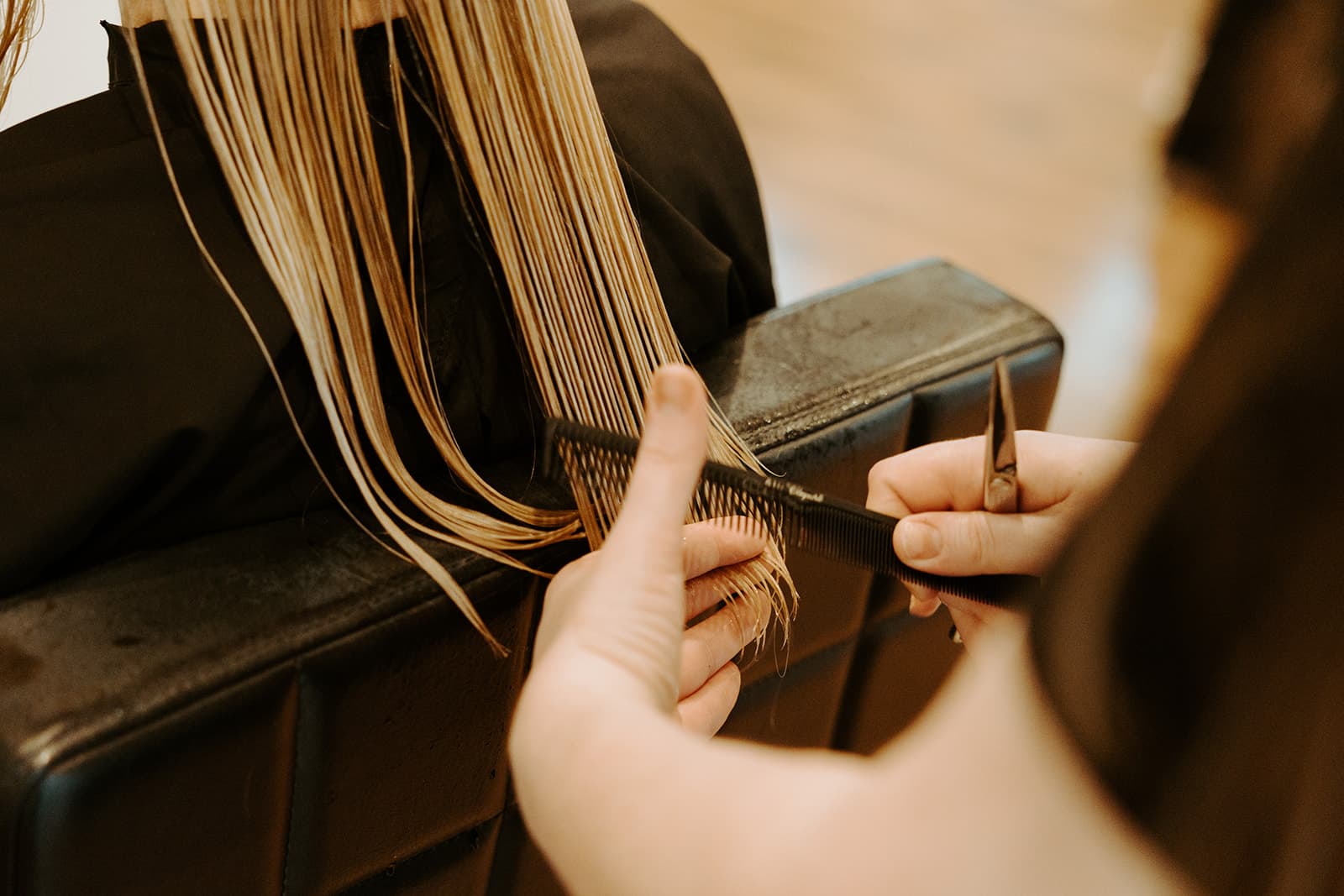
Relaxer services begin with a careful assessment of the hair’s current condition using strand tests and elasticity checks to ensure safe processing time. Hairdressers section the hair into manageable parts to allow even application and prevent overlap on previously relaxed areas. The stylist applies a protective cream along the scalp line and uses a controlled amount of product to manage strength and penetration. During processing, they monitor texture changes and gently test small strands every few minutes to check for signs of breakage.
During relaxer services, when roots are the primary focus, the professional uses a root touch-up method while leaving previously relaxed lengths untouched to minimize cumulative damage. For full retexturizing, the product is applied from roots to ends with close attention to porosity and tensile strength across each section. Neutralization begins immediately once the desired smoothness and elasticity are achieved, helping restore the hair’s natural pH and stop the chemical process. Rinsing follows with lukewarm water and a gentle shampoo formulated to remove relaxer residue without stripping essential moisture.
After rinsing, a deep conditioning or protein treatment helps strengthen the hair and balance porosity differences between roots and ends. Stylists typically use a wide-tooth comb with a detangling conditioner to support alignment and reduce mechanical stress during drying. If thermal styling is performed, it is done at low to medium heat with a heat protectant to prevent additional damage. For clients in Grapevine, TX, following these professional relaxer services steps helps reduce weak spots and lowers the risk of future breakage.
Before finishing, the professional records observations and any strand-test results to guide future spacing of touch-ups and treatments. They advise waiting at least six to eight weeks before reapplying to roots, depending on growth rate and hair strength. Home care instructions include specific products and timing for protein and moisture treatments to keep hair resilient. For a deeper look at texture management and maintenance, review the salon’s hair texture enhancement guide at hair texture enhancement guide for practical routines relevant to Southlake, TX clients.
Safety Precautions And Contraindications To Assess
Before any chemical touches hair, a stylist screens for scalp health, recent color, and breakage patterns to reduce complications. They ask about dermatitis, open sores, or recent sunburn because these conditions increase irritation risk. If a client reports scalp sensitivity, the stylist may choose a milder formula or delay treatment until the scalp heals. For homeowners in Grapevine, TX, reporting medication use that affects skin sensitivity helps the stylist adjust the plan.
- Check scalp for redness or cuts before applying product.
- Review recent chemical services and timing.
- Perform a strand test for elasticity and breakage signs.
- Ask about allergies to specific ingredient types.
Relaxer services are not recommended for very brittle hair that shows repeated breakage, as this indicates the hair lacks the strength needed for safe processing. A professional confirms this condition by performing a stretch test and checking if the strands snap under light tension. They also avoid applying relaxers to hair with active bleaching damage until restorative treatments help rebuild strength. If mineral buildup from hard water is present, the stylist may suggest clarifying and conditioning treatments before proceeding with relaxer services.
During application, protective barriers and timed checks prevent overlap and overprocessing at previously relaxed zones. The stylist uses visible cues like uniform texture and a gentle tensile check to stop processing at the right moment. If sudden burning or severe discomfort occurs, they rinse immediately and advise medical follow-up when symptoms persist. For styling guidance after recovery, consider the salon’s curly hair styling guide which offers safe transition tips for varied textures in Southlake, TX.
Who Is An Ideal Candidate For Relaxer Service
Relaxer services are ideal for individuals who want to reduce daily styling time and can commit to regular maintenance. A stylist evaluates readiness by checking elasticity and performing a strand test to ensure the hair can safely handle processing. Clients who follow consistent home-care routines and are willing to maintain post-service treatments tend to preserve better long-term hair strength. Homeowners in Grapevine, TX often ask about timing and scheduling around seasonal events before booking hair relaxer services.
Ideal candidates for relaxer services usually have healthy or moderately processed hair without active breakage or scalp conditions that could complicate treatment. A professional reviews any previous color treatments and checks for signs of weakened bonds before proceeding. If mineral buildup or product residue is present, the stylist may recommend a clarifying step to support even results. Open communication about past at-home treatments helps the stylist select the most appropriate formula and timing for safe relaxer services.
Clients seeking full smoothing who cannot tolerate high-heat straightening at home also fit well for salon-based chemical options. A stylist evaluates hair density and strand thickness to pick the correct product strength and processing window. Those willing to follow a conditioning and protein schedule after service reduce the chance of future breakage and splitting. For lifestyle guidance and humidity management, review the salon’s suggestions in the frizz control resource.
People with very fragile, actively breaking lengths or open scalp lesions are not suitable candidates until recovery and treatment restore strength. A professional may recommend reconstructive conditioning and timed trims before performing any relaxer to reduce risk of further damage. If you have questions about stylist qualifications or approach, check the salon background on the about us page before booking. Those in Southlake, TX who have specific health concerns should disclose medications and allergies during the consultation.
When To Call A Professional For Relaxer Issues
If you notice sudden, widespread breakage after a straightening appointment, contact a stylist for an in-person assessment right away. A professional will inspect strand integrity and perform a gentle stretch test to locate weak points. They may also examine the scalp for signs of chemical burn or lingering irritation needing care. Homeowners in Grapevine, TX should treat rapid texture change as a priority to avoid further loss.
During relaxer services, persistent scalp burning, open sores, or ongoing redness after rinsing require immediate professional attention and possible medical referral. A stylist will promptly rinse away any remaining residue, document the symptoms, and recommend soothing treatments or further care when needed. They may also pause future relaxer services until the scalp has fully healed to prevent worsening the condition. Early intervention helps reduce the risk of long-term sensitivity or potential scarring.
If you experience uneven straightening or frequent limp, mushy sections, schedule a diagnostic visit to confirm processing issues and product selection. The professional will perform strand tests, check porosity differences, and review timing notes from the initial service to find the cause. They might propose staged reconstruction with protein treatments and trims to remove compromised lengths. For clients unsure about scalp and strand recovery, consider reading about targeted care in the salon’s benefits of scalp treatments.
When new growth shows extreme texture mismatch or breakage near the root, a stylist will assess application technique and recommend safer scheduling. They will measure new growth length and check elastic recovery to decide whether a root-only approach or longer spacing is safer. If mineral buildup or residue appears, clarifying steps can prevent processing inconsistencies during follow-ups. Residents in Southlake, TX often find timely diagnostics prevents repeat problems at future appointments.
Aftercare Tips For Lasting Smooth Sleek Results
Begin with a gentle routine the first week after your appointment to protect fragile shafts and the scalp. Use a sulfate-free, moisturizing cleanser and avoid daily washing to reduce friction and moisture loss. When detangling, start at the ends and work upward with a wide-tooth comb to minimize breakage. If you notice persistent itching or redness, contact a professional for an in-person check rather than self-treating.
- Deep-condition once a week to replenish moisture.
- Apply a lightweight leave-in conditioner after washing.
- Limit heat styling and use a heat protectant when needed.
- Sleep on a satin pillowcase or use a satin bonnet.
- Trim weakened ends every 8 to 12 weeks.
Balance protein and moisture treatments based on hair response to avoid stiffness or limpness after chemical smoothing. A stylist can recommend a schedule that alternates reconstructive protein with hydrating masks for best resilience. Watch for signs like increased porosity or straw-like ends which indicate a shift in needs. Residents in Grapevine, TX sometimes require adjustments when water quality affects product buildup and absorption.
Avoid common mistakes that undo salon results by following professional guidance and product directions closely. For more examples of harmful habits and fixes, review the salon’s advice on haircare mistakes to avoid. Keep root touch-ups spaced to allow new growth to strengthen and lower cumulative chemical stress. Clients in Southlake, TX report longer-lasting smoothness when they stick to the prescribed aftercare routine and scheduled trims.
Preventing Damage And Maintaining Healthy Hair Postrelaxer
Start by scheduling regular protein and moisture treatments tailored to the hair’s response after chemical straightening. A stylist will adjust timing based on elasticity checks and observed porosity during follow-up appointments. Using lightweight serums can seal cuticle layers without weighing strands down or attracting excess oil. For guidance on oil choices and application techniques, consult the salon’s hair oils resource.
After relaxer services, avoid daily manipulation that places mechanical stress on the hair, especially at the line of demarcation between new growth and relaxed lengths. Limit tight ponytails and excessive brushing, as these create friction and weaken already vulnerable areas. Nighttime care also plays an important role, so using a silk or satin wrap helps maintain alignment and reduces tangling. Homeowners in Grapevine, TX should also check pillowcases and wraps for product buildup that may transfer back onto the hair.
Maintaining results from relaxer services also involves strategic trimming to remove damaged ends without sacrificing overall length. A professional can evaluate split ends and recommend small, consistent trims when there are signs of chemical wear. Pay attention to indicators such as increased tangling or thin, wispy ends, as these suggest it is time for a trim. Residents in Southlake, TX often notice smoother styling results when they follow a regular, conservative trimming schedule after relaxer services.
To protect the hair after relaxer services, use heat tools sparingly and keep temperatures at moderate levels to prevent additional stress. Always apply a heat protectant and ensure the hair is fully dry before using flat irons or other styling tools. If the hair begins to feel limp or overly soft after heat styling, lower the temperature and incorporate a strengthening treatment into the routine. When uncertainty arises, scheduling a professional consultation can help assess hair condition and guide proper maintenance after relaxer services.
Frequently Asked Questions About Relaxer Service
What should I expect during a professional relaxer service?
At the start of a relaxer service your stylist consults on hair history, desired straightness, and any scalp concerns. They perform a strand test and section hair before applying the chemical relaxer in measured amounts. The process includes precise timing, neutralizing, and a thorough rinse to stop chemical action; if you feel burning, alert the stylist immediately. Aftercare guidance covers gentle shampoos, regular trims, and waiting periods before coloring or heat styling to protect hair integrity.
How do stylists diagnose hair readiness for chemical straightening?
A stylist inspects hair elasticity, porosity, and breakage by stretching strands and checking for snap or excessive thinning. They review recent chemical history, including color, previous straightening, and timing of treatments. A strand test with product applied to a small area confirms processing speed and visual result before a full relaxer service. If hair shows severe damage or scalp sensitivity, the stylist will caution against chemical straightening and recommend a professional treatment plan instead.
Which relaxer types best suit sensitive scalps or colored hair?
Ammonium thioglycolate, based neutral relaxers or low-alkaline cream formulas usually suit sensitive scalps and previously colored hair better. A professional will perform a strand test and scalp check before applying any product to confirm compatibility. If you notice burning, severe irritation, or open wounds during consultation or treatment, stop and seek a professional immediately. Discuss bonding treatments and protein-based aftercare with your stylist to restore strength and reduce breakage risk after a relaxer service.
What immediate aftercare protects fragile strands post-treatment?
After a professional relaxer service, rinse thoroughly and use a neutralizing shampoo as directed to stop chemical action. Apply a lightweight, protein-enriched conditioner to restore tensile strength and detangle gently with fingers. Avoid heat styling and tight hairstyles for at least two weeks to prevent breakage and additional stress. If you notice burning, severe shedding, or scalp sores, stop treatments and contact a professional for evaluation immediately.
How often can I safely schedule root touch-ups and trims?
Most clients book root touch-ups every 6 to 8 weeks to keep relaxed hair even and prevent overlapping chemical exposure. Trims for split ends and shape maintenance are commonly scheduled every 8 to 12 weeks depending on hair growth and damage. If your scalp or new growth shows irritation, stop treatments and consult a professional before the next appointment. Avoid overlapping relaxer applications on previously relaxed hair to reduce breakage and ask a stylist to assess timing for safety.