

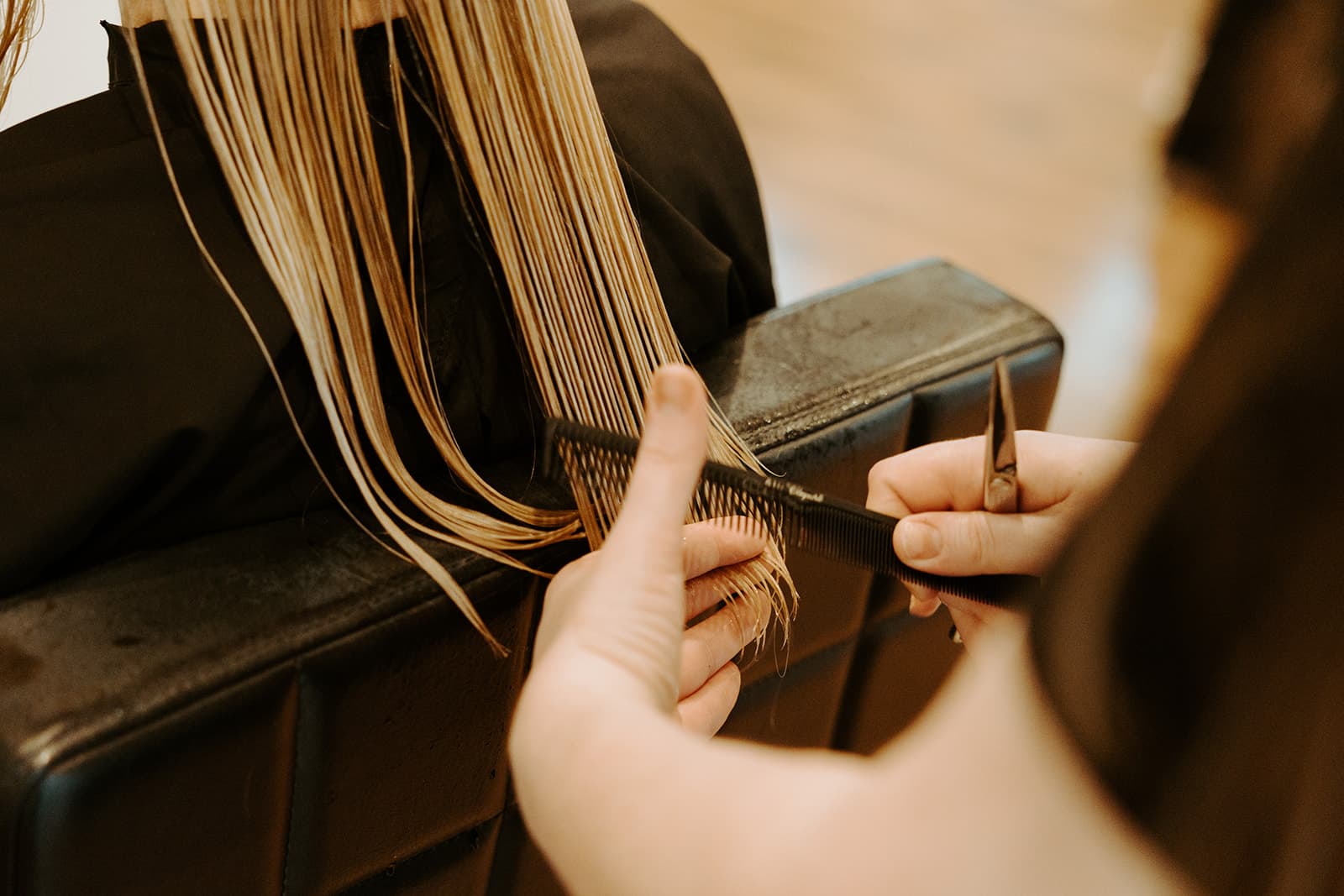
Layered Bob Hairstyles That Add Movement and Volume
Key Takeaways About Layered Bob
A layered bob is a short to medium haircut using graduated lengths to add movement and volume. This guide is for homeowners and busy clients deciding on a shape and upkeep plan when styling matters most.
- Identify your face angles to place layers for balanced framing.
- Prevent flatness by adding internal lift at the crown.
- Avoid bulk with targeted texturizing and longer graduation.
- Spot problem areas by rough-drying and checking movement.
- Reduce styling time with simple drying direction and product placement.
- Plan trims every six to ten weeks to keep shape crisp.
Introduction
Choosing the right layered bob can change how your hair moves and how your face is framed. Many clients arrive wanting volume without excess weight near the roots. The wrong cut can leave hair looking flat or grow out unevenly fast. That problem matters because day to day styling becomes harder and confidence can drop.
A layered bob works best when face shape guides where layers fall and how long the cut should be. Hair texture and density also influence the final shape and overall balance. Ignoring these factors can lead to a cut that requires frequent salon corrections. When the shape is off, daily styling time and product use often increase.
Styling techniques play a key role in how a layered bob looks day to day. Small adjustments in drying direction and product placement can improve movement and hold. Regular maintenance helps keep layers defined and prevents the ends from becoming heavy. For individuals in Grapevine, TX, local salon guidance can help maintain a polished layered bob.
A stylist will evaluate the jawline, cheekbones, and natural hair growth patterns before shaping a layered bob. They observe how the hair falls when damp and how it behaves during a typical routine. Checkpoints during the appointment help ensure the cut aligns with lifestyle and maintenance preferences. For homeowners in Southlake, TX, with busy schedules, a layered bob that stays manageable over time is often the most practical choice.

What Is A Layered Bob And How It Works
A layered bob is a short-to-medium haircut that uses graduated lengths to create lightness, shape, and visible movement. Stylists cut internal layers to remove weight and add bounce where needed. This design works by changing how hair stacks and falls around the face. A common homeowner question is whether layers will make hair harder to style; when done well they make everyday styling faster and more predictable.
- Creates controlled volume at the crown.
- Removes bulk from heavy ends.
- Defines shape without extra length.
- Makes styling with heat tools simpler.
- Helps hair dry into a natural pattern.
For a layered bob, layer placement depends on growth patterns, natural parting, and how the hair settles when both damp and dry. Professionals assess the hair from multiple angles and observe how it falls with a relaxed, natural part. This evaluation includes checking cowlicks, natural wave patterns, and where the hair bends around the jawline. For homeowners in Grapevine, TX, this hands-on approach helps create a layered bob that maintains its shape through daily activity.
Different layering methods create distinct movement; face-framing pieces soften angles while stacked layers push weight to the perimeter. A stylist may use slide cutting, point cutting, or vertical slicing to reach the intended texture and finish. They will demonstrate how the cut behaves when air-dried and when blow-dried to set expectations. If you want to learn about precise shears and sectioning used in these methods, review the guide on precision cutting techniques.
To confirm a successful result, a professional evaluates the finished shape with the client upright and in their usual part. They check that layers fall evenly, move with head turns, and do not create unexpected gaps near the crown. If movement or volume is off, small adjustments with thinning shears or another targeted layer will fix balance. For busy clients in Southlake, TX a stylist also suggests the quickest daily styling steps to maintain the shape.
Choosing Layered Bob For Your Face Shape
A layered bob starts with identifying the dominant angles of your face, including the cheekbones, jawline, and forehead. A stylist evaluates these proportions and observes how the hair falls around those features when wet. They may mark key reference points to guide where layers should begin and end for balance. This process helps ensure the layered bob complements your natural structure instead of working against it.
For round face shapes, a layered bob with layers starting below the chin helps create vertical lines and adds the illusion of length. A stylist may test different placements to see how they affect width and overall balance. Side parts or slight asymmetry are often suggested to reduce fullness near the cheeks. Homeowners in Grapevine, TX usually prefer a layered bob that feels lighter without adding styling time.
Angular face shapes benefit from a softer layered bob with face-framing pieces that fall near the cheek area. A stylist checks growth patterns and cowlicks before choosing lengths that skim the cheek or jawline. They also consider neck and collarbone visibility to maintain proportion throughout the cut. For clients in Southlake, TX, this softer layered bob supports both air-dried and styled looks.
During the consultation, the stylist may perform a movement test by lightly drying sections and observing how the hair falls naturally. They look for gaps, uneven weight, or heavy ends that may need adjustment. Small refinements, such as subtle trimming or texturizing, help improve the shape without changing the overall structure. This careful approach keeps the layered bob balanced, practical, and easy to maintain.
Hair Texture And Why It Affects Movement
Hair fiber diameter changes how layers sit and respond to styling tools, so a stylist first inspects strand thickness and elasticity. They will test a small section by twisting and stretching to see spring and break patterns. That quick check predicts whether short graduated pieces will puff or lay flat when dry. Homeowners in Grapevine, TX often notice a big difference after this simple assessment at the chair.
Natural wave and curl pattern determine where movement appears without heat and where it needs encouragement from cut or product. A professional rough-dries a few panels to observe the natural bend and to find where layers should release or contain volume. This live test shows if internal layers will create pleasing swing or cause unwanted bulking at the crown. When the pattern is uneven, targeted layering balances the flow across the perimeter.
Density matters because heavy hair can squash movement while thin hair may need built-in lift to read as full. A stylist measures density by parting and lifting sections to view scalp visibility and stacking behavior when the head turns. They may perform a light point-cut or texturizing trial to confirm the desired reaction before finishing the whole cut. For people in Southlake, TX this hands-on confirmation saves time and styling frustration later.
Porosity affects product choice and how long a style holds, so a pro will assess how quickly strands absorb moisture and dry. Simple checks include dampening a strand and watching absorption speed, then observing how the strand sets as it dries naturally. Those observations guide which creams, mousses, or light sprays deliver movement without weighing hair down. If fringe balance is a concern, consider a follow-up visit focused on trim shape like the guidance in bangs trim for perfect fringe shape.

Cutting Techniques That Add Volume And Shape
Start with sectioning that matches natural growth patterns and cowlicks to control where weight lives after cutting. A stylist commonly workS in vertical panels to see how lengths stack and to avoid creating gaps near the crown. They will test a small pivot cut and then check movement with a brief rough-dry to confirm lift. This step helps ensure the final shape gives volume without adding bulk where you don’t want it.
- Graduation builds weight at the perimeter.
- Point cutting softens blunt edges.
- Slide cutting removes bulk smoothly.
- Texturizing thins internal density.
For a rounded silhouette, a stacked approach shortens the nape and layers toward the crown to increase height. The stylist uses precise elevation angles to control how much the mid-lengths swing outward on movement. They check against how the hair naturally parts and adjust layer start points accordingly. Homeowners in Grapevine, TX often notice this technique reduces daily blow-dry time substantially.
When hair is fine, internal lift comes from short interior layers placed beneath longer overhangs to avoid exposing the scalp. A conservative use of thinning tools preserves visible ends while giving the top section more body. The pro will inspect the result by moving the head and watching for unwanted gaps or flip. If necessary, minor blending with point cutting fixes any abrupt transitions.
Coarser or denser hair benefits from longer graduation and selective texturizing to prevent a helmet effect near the crown. Stylists may use deep point cutting or slide cutting on the perimeter to maintain weight while allowing movement. They confirm the balance with a movement test and adjust only where needed to keep the cut low-maintenance. For styling pointers that boost fullness after cutting, review guidance like the techniques in secrets of hair volume boosting.
A professional diagnoses issues by observing how layers behave when the client tilts and shakes their head, checking for gaps, flare, and weight pockets. They may perform a rough-dry and photograph sections to document where trimming will improve swing and silhouette. Tools used include shears, thinning scissors, and a comb for stacking checks during the cut. For clients from Southlake, TX this method highlights predictable outcomes and realistic upkeep expectations.
Styling Methods For Lasting Movement And Hold
Styling a layered bob starts with slightly damp hair and a wide-tooth comb to preserve natural movement and prevent unnecessary tension. Apply a root-lift mousse or lightweight foam sparingly at the crown to build volume without creating stiffness. When blow-drying, direct airflow downward while lifting sections with a round brush to encourage a smooth, controlled shape. Finish with a quick cool shot to help set the style and reduce frizz for longer-lasting results.
To enhance movement in a layered bob, alternate between heat tools and finger-styling instead of relying on one method alone. A medium-barrel curling iron can create soft bends, which can then be loosened with fingers or a light texturizing spray. Focus on the mid-lengths and ends rather than the roots to maintain an airy, balanced silhouette. Professionals often test finishing products on a small section first to ensure the desired effect before applying them throughout the layered bob.
Lightweight finishing sprays and creams add hold without weighing layers down, and placement matters more than amount used. Apply product primarily to mid-lengths and ends, avoiding heavy contact at the scalp to preserve lift. If hair tends to fall flat midday, a tiny amount of dry shampoo at the roots refreshes texture and adds separation. For tailored product choices and handling, consult the hair texture enhancement guide for specific recommendations.
To confirm a styling approach will work at home, a stylist performs a quick diagnostic routine that mirrors a client’s daily habits. They observe rough-drying, test a single-tool styling sequence, and record product amounts used to replicate results later. In Grapevine, TX clients often ask for sleep-friendly methods that maintain morning movement with minimal touch-ups. For appointment options or to schedule a styling session visit the salon services page for available offerings relevant to your routine in Southlake, TX.
Maintenance Routine And When To Refresh Layers
Start a predictable upkeep rhythm by booking trims every six to ten weeks based on how quickly your hair grows and how crisp you want edges. A stylist inspects layer end weight and checks for any uneven stacking during the follow-up to decide exact timing. At-home touch-ups should avoid cutting into the internal layers to prevent changing intended movement and silhouette. If you notice increased tangling at the nape or flare at the crown, schedule a shorter correction appointment.
Daily maintenance includes simple checks: smooth ends with a light leave-in cream and refresh mid-lengths with a texturizing mist when movement flattens. Sleep routines matter; use a silk pillowcase or loose, low bun to reduce friction that ruins styled bends. If product buildup makes hair heavy, clarify with a gentle clarifying shampoo once every two to four weeks depending on styling frequency. For tailored drying and product timing tips, review the advice in the salon’s guide on hair styling techniques.
A professional evaluates when a layered bob needs reshaping by observing how the cut moves during everyday actions like turning, bending, or shaking the head. They look for signs such as uneven movement, visible gaps, or heavy weight at the ends, then confirm findings using a comb and light rough-drying. Measuring how the perimeter falls and identifying where bulk returns help determine whether a trim or full re-layering is needed. For homeowners in Grapevine, TX, this process helps maintain a balanced layered bob and avoids common at-home mistakes that complicate future cuts.
To extend time between appointments, ask for a maintenance plan tailored to your layered bob, including targeted micro-trims around the face and guidance on product rotation. A stylist may also show simple at-home checks to spot when the shape begins to fall and demonstrate quick styling adjustments to refresh the look. Clients in Southlake, TX often choose lighter internal texturizing to make upkeep more manageable between visits. Taking regular photos from consistent angles can also help track growth and determine when a full-layered bob refresh is needed.
When To Call A Professional For Layered Bob
If you notice uneven swing, persistent flatness at the crown, or layers that separate oddly, book a professional assessment. A stylist will inspect how layers fall when you move, and they will perform a focused rough-dry to reveal hidden gaps. They check part lines, cowlick behavior, and whether the perimeter weight still supports the intended silhouette. Expect the professional to recommend either a micro-trim, targeted texturizing, or a fuller reshape depending on findings.
- Micro-trim around the face for small corrections.
- Interior texturizing to rebalance density.
- Perimeter clean-up to restore the line.
- Blowout styling to preview long-term shape.
When color or chemical services change hair texture, schedule a consult before altering layer placement to avoid surprises. A stylist will assess porosity and elasticity before deciding if shorter interior layers are still appropriate. They may suggest a practical styling trial using a salon blowout to confirm the updated cut behaves as intended. For a demonstration of effective finishing and movement, ask for the salon technique shown in achieve perfect hair blowout.
If you struggle to recreate salon movement at home after a few weeks, ask for a follow-up lesson that includes product amounts and drying direction. The professional can record small changes and prescribe a simplified daily routine tailored to your lifestyle and time constraints. For homeowners in Grapevine, TX mention any daily habits that affect shape so the stylist can adapt the plan. Clients from Southlake, TX often benefit from a short video or photo reference to repeat the exact styling steps at home.
At Home Tools And Products For Best Results
Styling a layered bob at home starts with a simple, effective toolkit that supports shape and movement. Use a medium round brush, a vent brush, a blow-dryer with a nozzle, and a paddle brush for smoothing as needed. Apply a lightweight root lifter or mousse sparingly at the crown to create controlled volume without stiffness. Before using heat, a protectant spray helps maintain smoothness and keeps the layered bob looking defined throughout the day.
When choosing products for a layered bob, opt for low-residue formulas that rinse clean with occasional clarifying to prevent buildup. A texturizing mist or sea-salt spray can enhance separation between layers without adding heaviness or stickiness. Keeping a dry shampoo on hand helps refresh root lift during busy mornings or after workouts. Trying smaller product sizes first allows you to see how your layered bob responds before committing to full-size options.
Tool technique matters: point the dryer nozzle downward while lifting with a round brush to smooth cuticle and set movement into place. For loose bends, wrap mid-lengths around the barrel loosely and release immediately to avoid tight curls. Finish with a light flexible-hold spray applied from arm’s length so hair keeps swing without becoming crunchy. If you prefer guided examples, review short styles that illustrate these tool approaches in the salon’s short hair gallery at short hair styles.
Perform a quick at-home diagnostic if shapes start to shift by rough-drying one side and checking for gaps or heavy bands at the ends. A stylist in Grapevine, TX can show you micro-trim spots to manage between appointments if you find uneven swing. Keep a photo of your preferred angle on your phone to reproduce salon results and to show during follow-up consultations. For weekend refreshes, a small amount of leave-in cream smoothed through ends restores definition without flattening the crown.
Frequently Asked Questions
Which layered bob suits my face shape best?
Round faces suit a longer, angled layered bob that adds length and avoids excessive width at the cheeks.
Square jawlines soften with soft, wispy layers around the face and a slightly longer front.
Heart-shaped faces balance a narrow chin with chin-length layers and side-swept bangs to draw attention upward.
If you have thinning hair, ask a stylist to check scalp health and tailor layers for volume; seek professional help for any scalp concerns.
How do I style a layered bob for lasting movement?
Start with a lightweight mousse or root-lifting spray on damp hair to boost volume without weighing layers down. Blow-dry using a round brush, directing hair away from the face to shape natural movement and set the cut. Finish with a texturizing spray at mid-lengths and ends, then gently scrunch to encourage separation and motion. If you use heated tools, keep temperatures moderate and consider a stylist consultation for thermal-safe layering to avoid damage.
How often should I trim layers to maintain volume?
For most people, trimming every 6 to 8 weeks keeps layers crisp and maintains visible movement and volume. Fine hair and styles that rely on sharp texture may need trims closer to 6 weeks. If you notice weight building, limp ends, or loss of shape sooner, book a salon visit to reassess the cut. If scalp irritation or unexpected breakage appears, stop styling and consult a professional stylist or medical provider for advice.
What products prevent a layered bob from falling flat?
Use a lightweight volumizing mousse on damp hair to lift roots and define movement for a layered bob. Apply a root-lifting spray at the part and blow-dry with a round brush for lasting shape. Finish with a texturizing spray or dry shampoo at the roots to absorb oil and add grit. If scalp irritation or product buildup occurs, stop use and consult a stylist or dermatologist for safer options.
How will my hair texture affect a layered bob choice?
Your hair texture guides how layers sit and how much styling you must do daily. Fine hair benefits from shorter, graduated layers to create lift and fuller shape. Thick or coarse hair often needs thinning and longer layers to prevent bulk and enhance movement. If you use heat or chemical smoothing, discuss risks with a stylist to protect hair integrity.